Eating Baby Bear Embroidery Review
As an embroidery designer with years of experience, I’ve tested countless machine embroidery designs for everything from custom apparel to handmade gifts. Recently, I had the chance to work with Eating Baby Bear, a Creative Fabrica embroidery design in the Baby Animals category. This review is based on my hands-on evaluation of how it performs in real-world projects, and whether it’s worth considering for your next creative endeavor.
First Impressions: Visual Mood and Detail Level
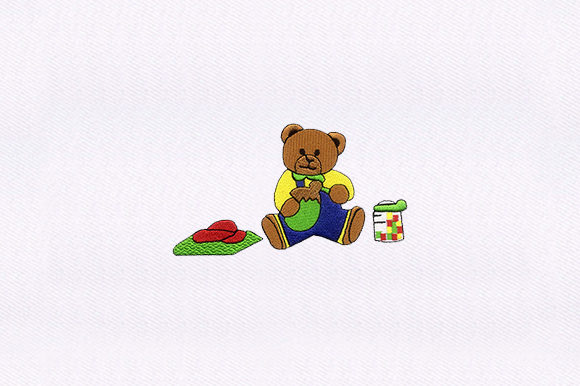
The first thing that caught my eye about Eating Baby Bear was its charming visual mood. The design captures the playful essence of a baby bear with a whimsical twist—perfect for adding a touch of humor or warmth to any project. The level of detail is impressive; the bear’s features are well-defined without being overly complex, which makes it ideal for both beginners and seasoned embroiderers.
The stitching personality of this design leans towards a decorative yet subtle approach. It uses a mix of satin stitch, fill stitch, and running stitch to create texture and dimension. This gives the design a soft, handcrafted feel that works well for items like baby blankets, tote bags, or even nursery decor.
Practical Use: What Projects Fit Best?
Eating Baby Bear is a versatile design that can be adapted to various embroidery projects. Here are some ideas where it shines:
- Custom Apparel: Whether it's a sweatshirt, cap, or patch, this design adds a unique character element that can make your custom apparel stand out.
- Tote Bags and Pillow Covers: The design's scale and charm make it a great fit for larger surfaces, where it can be easily visible and appreciated.
- Baby Items: From aprons to blankets, Eating Baby Bear brings a gentle, playful tone that's perfect for baby-related products.
- Etsy Listings and Handmade Gifts: Its whimsical nature makes it an excellent choice for selling on platforms like Etsy or at craft fairs, where buyers look for unique, personalized touches.
However, it's important to consider how the design interacts with different materials. For instance, if you're using it on stretchy fabric like t-shirts or caps, proper stabilizer use is crucial to prevent distortion. Similarly, dark fabrics may require thread color adjustments to ensure the design remains visible and vibrant.
Performance in Real Embroidery Work
I tested Eating Baby Bear on several fabric types, including cotton, canvas, and polyester blends. On lighter fabrics, the design stitched beautifully with minimal issues. However, when working with dense stitch areas or curved surfaces (like caps), I found that adjusting the hoop size and stabilizer type made a noticeable difference in the final outcome.
For small hoop sizes, I recommend checking the design's dimensions against your machine’s capabilities before starting. If the bear is too large for your hoop, resizing could affect the overall look and detail integrity. Tiny lettering or intricate elements might also require careful inspection after stitching to ensure they remain clear and defined.
One thing to note is that Eating Baby Bear doesn’t have extreme stitch density, making it suitable for most home machines. However, if you're planning to use it for commercial embroidery or high-volume production, always check the file formats and licensing details on the Creative Fabrica product page to confirm compatibility and usage rights.
Impact on Product Value and Presentation
When used correctly, Eating Baby Bear can significantly enhance the visual appeal of your finished product. It adds a storytelling element that can increase buyer trust and engagement, especially for handmade items or personalized gifts. The design’s consistent style and quality contribute to a polished, professional look that aligns well with brand consistency.
For Etsy sellers or small business owners, this design can help differentiate your products in a competitive market. Pairing it with printable mockups or using it as part of a cohesive collection of embroidery file assets can elevate your brand’s presentation and customer experience.
Properly executed, Eating Baby Bear can turn a simple tote bag into a memorable gift or transform a plain pillow cover into a statement piece. It also plays well with product photography, offering a focal point that draws attention and adds character to your listings.
Embroidery Tips for Using Eating Baby Bear
To get the best results with Eating Baby Bear, here are a few practical tips:
- Test on Scrap Fabric: Always do a test run before stitching on your final product. This helps identify any potential issues with stitch density or thread visibility.
- Check Thread Color Contrast: Ensure the thread colors match your fabric and desired aesthetic. Darker threads may not show up well on dark fabrics.
- Review Stitch Density: Adjust settings if needed to avoid puckering or distortion, especially on stretchy or textured fabrics.
- Confirm Hoop Size: Make sure the design fits within your hoop and adjust if necessary to maintain detail clarity.
- Use Proper Stabilizer: Especially for delicate or stretchy fabrics, a good stabilizer will help keep the design crisp and secure.
- Inspect Small Details: After stitching, take a close look at intricate parts of the design to ensure they’re intact and visually appealing.
- Check File Details: Before selling any finished items, review the Creative Fabrica product page to confirm file formats, licensing terms, and any restrictions on commercial use.
In conclusion, Eating Baby Bear is a delightful addition to any embroidery designer’s toolkit. While it may not be suitable for every project, it excels in creating charming, whimsical pieces that resonate with customers looking for unique, handmade items. As with any machine embroidery design, proper preparation and testing are key to achieving the best results. Whether you're crafting for personal use or commercial purposes, this design offers a fun and engaging way to bring creativity to life through embroidery.